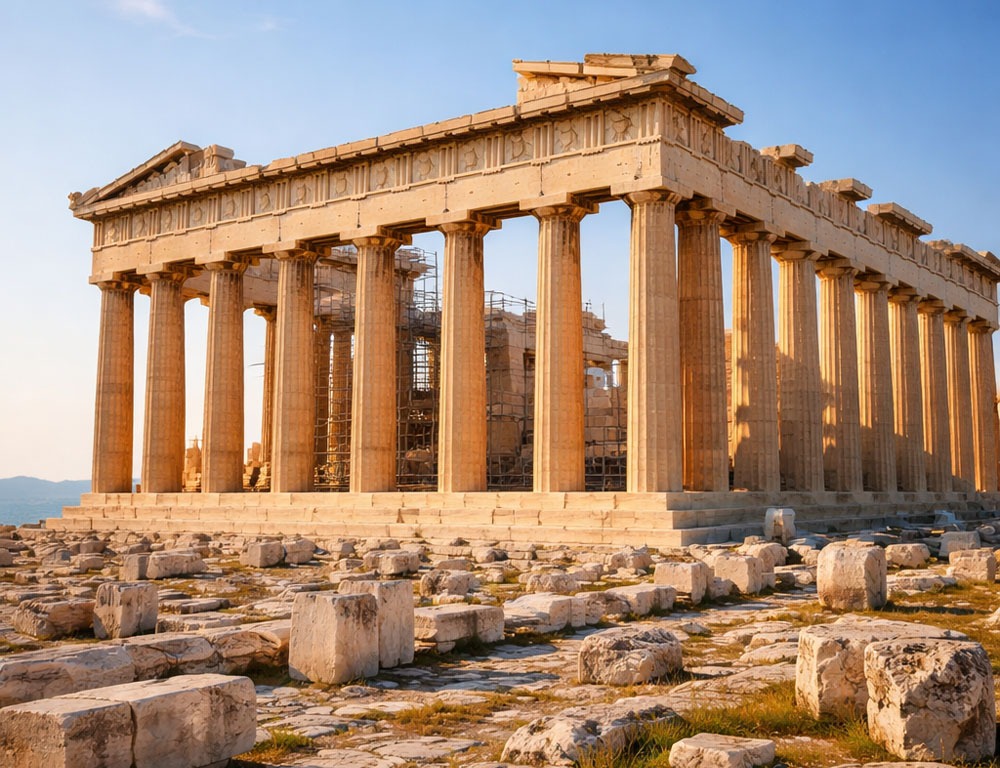
The Acropolis Museum is a modern archaeological museum in Athens that displays artifacts discovered on the nearby Acropolis. Opened in 2009, the museum was designed to preserve and present sculptures, relics, and architectural fragments from ancient Greek temples, including the famous Parthenon. Its galleries combine modern architecture with ancient history, offering visitors a clear understanding of classical Greek culture. Today, the Acropolis Museum is one of the most important cultural institutions in Greece.
What is the Acropolis Museum?
The Acropolis Museum is a major archaeological museum dedicated to artifacts found on the Acropolis hill in Athens. It preserves sculptures, statues, and architectural elements from ancient temples and sanctuaries.
The museum serves as the primary location where visitors can view original objects discovered during excavations around the Acropolis. Many sculptures once decorating ancient buildings are displayed here to protect them from weather damage and pollution.
The museum was designed to provide context for the Acropolis monuments. Through carefully arranged galleries, visitors can explore the history of Athens from prehistoric settlements to the height of classical Greek civilization.
Key facts about the Acropolis Museum
| Feature | Information |
|---|---|
| Location | Athens, Greece |
| Opened | 2009 |
| Main focus | Artifacts from the Acropolis |
| Collection size | Over 4,000 objects |
| Architectural style | Modern glass and concrete design |
The museum’s architecture allows natural light to illuminate sculptures, helping visitors understand how the original artworks appeared on ancient temples.
Where is the Acropolis Museum located?
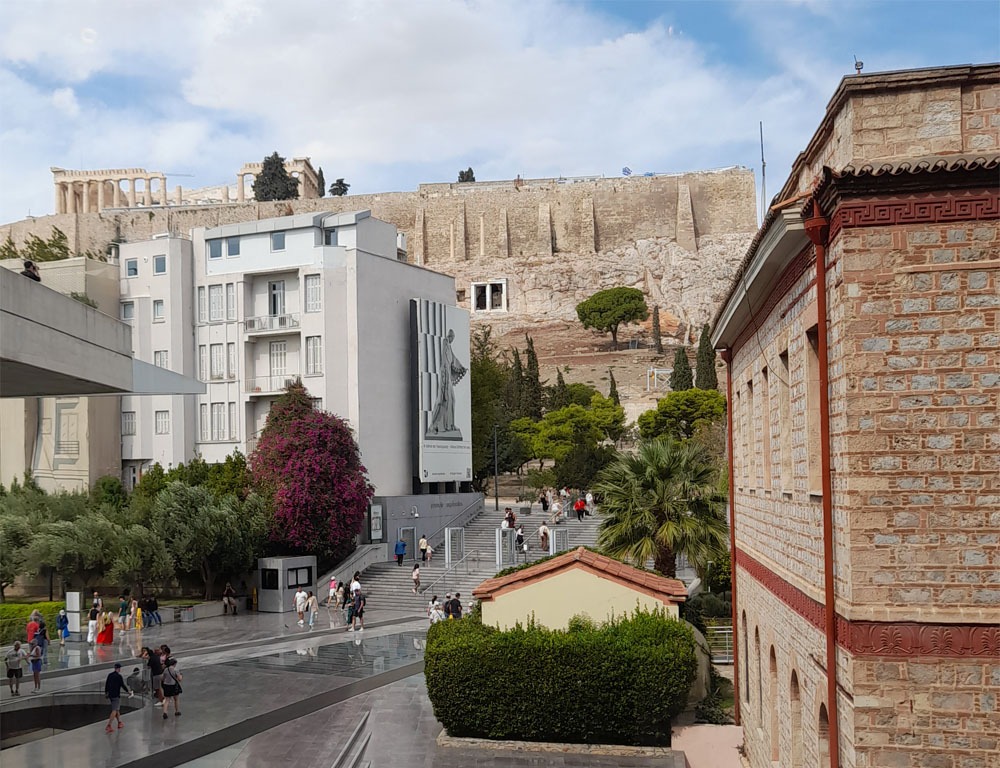
The Acropolis Museum stands in central Athens, just a few hundred meters from the Acropolis hill. Its location allows visitors to view the monuments and the artifacts in the same area.
The museum sits in the Makrygianni district at the foot of the Acropolis. From the top gallery, visitors can look directly toward the Parthenon and understand how the sculptures originally decorated the temple.
The building itself stands above an archaeological excavation site, visible through glass floors. Visitors can see remains of ancient houses and streets beneath the museum.
Nearby landmarks
Important attractions close to the museum include:
This central location makes the museum an essential stop when exploring historic Athens.
Why was the Acropolis Museum built?
The Acropolis Museum was built to protect ancient artifacts and present them in a modern museum environment close to their original location.
For many years, artifacts from the Acropolis were displayed in smaller museums or stored for preservation. Scholars and historians needed a larger space to properly present these objects.
The new museum addressed several goals:
- protecting sculptures from environmental damage;
- presenting artifacts in chronological order;
- explaining the architectural history of the Acropolis;
- creating a suitable location for returning historical artifacts.
The museum also supports ongoing archaeological research and conservation projects related to the Acropolis monuments.
What can visitors see inside the Acropolis Museum?
Visitors can see statues, temple decorations, relief sculptures, and everyday objects from ancient Athens.
The museum’s exhibits are organized across several levels. Each gallery focuses on a specific historical period or monument from the Acropolis.
Main museum galleries
1. Archaic Gallery
This gallery displays sculptures from the early temples that stood on the Acropolis before the Parthenon. These statues reveal the artistic development of ancient Greek sculpture.
Notable highlights include:
- marble statues of young women known as Kore figures;
- early temple decorations;
- ritual objects used in ancient worship.
2. Parthenon Gallery
The Parthenon Gallery is the museum’s centerpiece. The sculptures here originally decorated the Parthenon temple.
Visitors can see:
- sculpted panels known as metopes;
- fragments of the Parthenon frieze;
- statues from the temple’s triangular pediments.
The gallery layout mirrors the dimensions and orientation of the original temple, helping visitors visualize the complete monument.
3. Caryatid Gallery
One of the museum’s most famous displays features the original Caryatids, sculpted female figures that once supported part of the Erechtheion temple.
These statues combine architectural function with artistic beauty.
Types of artifacts displayed
Visitors can explore a wide range of archaeological objects, including:
- marble sculptures;
- temple decorations;
- ancient inscriptions;
- pottery and ceramics;
- religious offerings.
Together, these artifacts illustrate the religious life and artistic achievements of ancient Athens.
How is the Acropolis Museum designed?
The Acropolis Museum features modern architecture designed to complement the ancient monuments nearby.
Swiss architect Bernard Tschumi and Greek architect Michalis Photiadis designed the building. Their goal was to create a museum that connects visually with the Acropolis hill.
The structure uses large glass walls and open spaces to allow natural light into the galleries. This design helps visitors experience sculptures in lighting conditions similar to those of ancient Athens.
Key architectural features
- glass floors revealing archaeological remains;
- panoramic views of the Acropolis;
- galleries aligned with the Parthenon;
- open spaces that highlight sculptures.
The museum building itself has become an architectural landmark in modern Athens.
When should you visit the Acropolis Museum?
The best time to visit the Acropolis Museum is either early in the morning or later in the afternoon.
These hours usually have fewer crowds and provide a more relaxed experience. Visitors often combine a museum visit with a tour of the Acropolis.
Suggested visit plan
- Visit the Acropolis hill first.
- Explore the museum afterward to understand the artifacts and sculptures in detail.
- Spend at least 1–2 hours inside the museum.
Practical visitor information
| Detail | Information |
|---|---|
| Average visit time | 1–2 hours |
| Best season | Spring and autumn |
| Accessibility | Elevators and ramps available |
| Photography | Allowed in most areas |
This schedule allows visitors to connect the historical monuments with the objects displayed in the museum.
Frequently Asked Questions About the Acropolis Museum
The Acropolis Museum officially opened in 2009 to house artifacts discovered on the Acropolis.
The museum is located about 300 meters from the Acropolis hill.
The Parthenon sculptures and the Caryatid statues are among the museum’s most famous exhibits.
Yes. The museum displays many original sculptures and architectural fragments from the Parthenon.
Most visitors spend between one and two hours exploring the galleries.
Yes. The museum provides educational displays and accessible facilities suitable for visitors of all ages.
The Acropolis Museum plays a vital role in preserving the cultural heritage of ancient Athens. It provides a modern space where visitors can study sculptures and artifacts that once decorated the Acropolis temples. Through its galleries and exhibits, the museum connects archaeological discoveries with the history of classical Greece. For travelers exploring Athens, the Acropolis Museum offers essential insight into the art, religion, and architecture of one of the world’s most influential civilizations.